What's the difference between patching and repaving, and when do I need which?
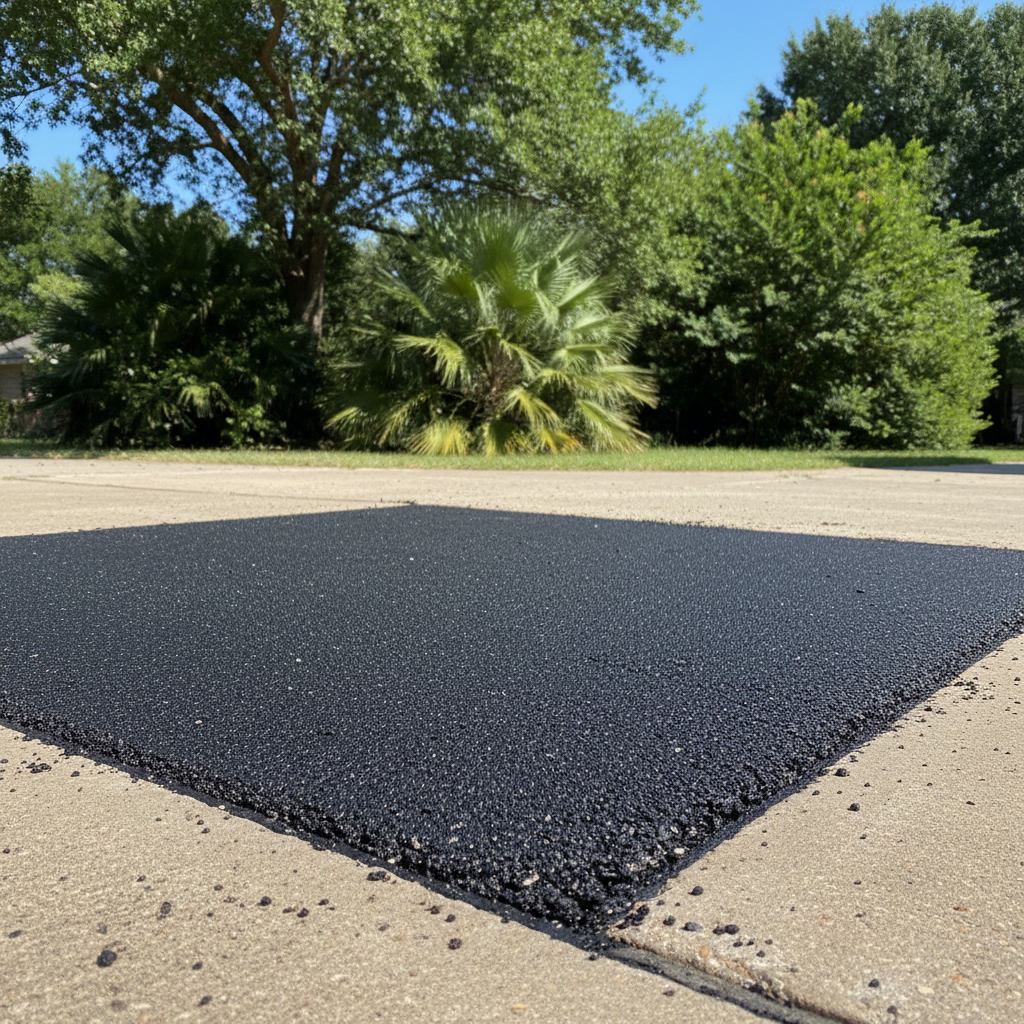
This is probably the most common question I get, and it's a good one. Think of it like this: patching is like putting a band-aid on a cut. It's for isolated damage – a pothole here, a deep crack there. If your driveway's mostly in good shape but has a few specific problem spots, patching is your go-to. It's a targeted repair, meant to stop further deterioration and make the surface safe again. We'll cut out the damaged section, clean it up, and fill it with new asphalt, compacting it down.
Repaving, on the other hand, is a much bigger job. That's when the entire surface of your driveway is showing signs of widespread fatigue – extensive cracking (especially alligator cracking that looks like scales), significant rutting, or just general crumbling. If your driveway looks like a patchwork quilt already, or if the damage is so widespread that patching one spot just means another will pop up next week, then you're probably looking at repaving. It involves laying a new layer of asphalt over the existing one (overlay) or even removing the old asphalt entirely and starting fresh (full depth replacement). Patching saves you money in the short term, but if your driveway is truly at the end of its life, repaving is the only long-term solution.
How long does an asphalt patch usually last in our Pearland climate?
Ah, the Pearland climate – that's a key factor, isn't it? Our hot, humid summers and occasional heavy rains, especially during hurricane season, are tough on asphalt. A well-done asphalt patch, using quality materials and proper compaction, should last you anywhere from 3 to 7 years, sometimes even longer if it's a minor repair and you're diligent with maintenance. But here's the kicker: the longevity really depends on what caused the damage in the first place and how well the patch is integrated with the surrounding, older asphalt. If the underlying base is unstable, or if water is constantly seeping into the subgrade, even the best patch might fail prematurely. We see a lot of issues around here with our clay soils expanding and contracting, which can stress asphalt. A good contractor will always assess the root cause before patching.
Can I just buy a bag of cold patch from the hardware store and do it myself?
You *can*, sure. Will it be a permanent, effective repair? Probably not. Cold patch is a temporary fix, like a quick stop-gap measure. It's designed for emergencies, like filling a dangerous pothole to prevent accidents until a professional can come out. It doesn't bond as well with the existing asphalt, it's not as durable, and it often settles or breaks apart under traffic and our Texas heat. For a small, shallow pothole in a low-traffic area, it might hold for a bit. But for anything significant, or if you want a repair that actually lasts and looks decent, you need hot asphalt applied by professionals. We use specialized equipment to heat the asphalt to the right temperature and compact it properly, which is crucial for a strong, lasting bond.
What causes potholes and cracks in my asphalt driveway?
It's usually a combination of things, but water is often the main culprit. Here's the breakdown:
- Water Infiltration: Cracks form, water seeps into the sub-base (the layer of crushed rock underneath the asphalt).
- Freeze-Thaw Cycle (less common here, but still happens): That water freezes, expands, and pushes up the asphalt. When it thaws, it leaves a void.
- Traffic: Cars and trucks driving over these weakened spots cause the asphalt to collapse, creating a pothole.
- Sun Exposure: Our intense Pearland sun oxidizes the asphalt, making it brittle and less flexible, leading to more cracking.
- Poor Drainage: If water isn't draining off your driveway properly, it sits on the surface or seeps in, accelerating damage.
- Heavy Loads: Parking heavy RVs or commercial vehicles regularly can stress the asphalt beyond its design limits.
- Subgrade Issues: Sometimes, the soil underneath, especially our expansive clay here in Pearland, can shift and move, causing the asphalt above to crack.
How long after patching can I drive on my driveway?
This is a practical question! With hot asphalt patching, which is what Pearland Accurate Asphalt uses for durable repairs, you can usually drive on it within a few hours. We compact it thoroughly, and while it takes a while to fully cure, it cools down and hardens enough for light traffic pretty quickly. I usually tell folks to give it at least 2-4 hours, and ideally, try to avoid heavy vehicles for 24 hours if possible. If it's a particularly hot day, or a very deep patch, we might recommend a little extra time. You'll want to avoid sharp turns or sudden braking on the fresh patch for a day or two, just to let it settle in completely.
What's the process for getting a professional asphalt patch done?
When you call us out, here's what you can expect:
- Assessment: First, we'll come out and take a look at the damage. We're not just looking at the pothole itself, but also the surrounding asphalt and the overall condition of your driveway. We'll try to figure out *why* it failed.
- Preparation: We'll mark out the area to be repaired. For potholes, we typically cut out a neat, rectangular section around the damaged area. This creates clean edges for a better bond. We'll remove all loose debris and clean the area thoroughly.
- Tack Coat: We apply a sticky liquid asphalt emulsion, called a tack coat, to the edges and bottom of the cut-out area. This helps the new asphalt bond securely to the old.
- Filling and Compacting: We then fill the cut-out area with hot asphalt mix. We'll usually overfill it slightly, then compact it down using a vibratory compactor. This is crucial for density and durability – you want that asphalt packed tight!
- Finishing: We'll make sure the patch is level with the surrounding pavement, creating a smooth transition.
- Cleanup: We clean up our work area, leaving your property tidy.
It's a pretty straightforward process for us, but it requires the right equipment and experience to do it right.
How can I prevent new potholes and cracks from forming after a patch?
Good question! Prevention is always cheaper than repair. Here's what you can do:
- Sealcoating: This is your asphalt's sunscreen and raincoat. A good sealcoat every 2-4 years protects the asphalt from UV rays, water penetration, and chemicals. It's a small investment that pays off big time.
- Address Cracks Early: Don't wait for a crack to turn into a pothole. If you see new cracks forming, get them filled with crack sealant. It stops water from getting into your sub-base.
- Improve Drainage: Make sure water isn't pooling on your driveway. If you have low spots, consider how to divert water away.
- Limit Heavy Loads: If you can, avoid parking extremely heavy vehicles on your asphalt for extended periods.
- Keep it Clean: Sweep away dirt, leaves, and debris regularly. This prevents organic matter from breaking down and holding moisture against the asphalt.
Taking these steps will significantly extend the life of your driveway and any patches we put in. If you've got more questions, or if you're ready for us to take a look, just give us a call at Pearland Accurate Asphalt. We're here to help you keep your driveway in top shape.